
From Farm to Market Exploring the Nut Supply Chain
A handful of nuts can look simple in a bowl, but it has already passed through a long chain of decisions, labor, timing, and quality checks. The nut supply chain connects orchards, processors, transporters, buyers, retailers, and food makers before the product reaches a market shelf.
Understanding that journey helps explain why quality, price, freshness, and availability can change from season to season.
The journey starts in the orchard
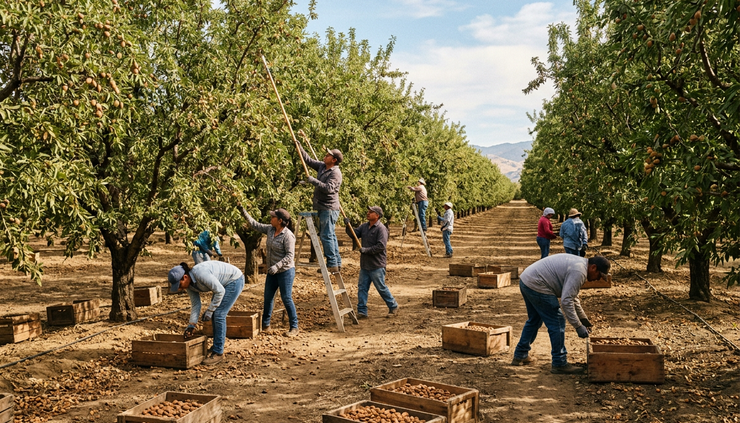
Nut production begins months before harvest. Growers manage soil health, irrigation, pruning, pest pressure, and pollination. Almonds, walnuts, pistachios, cashews, hazelnuts, and pecans each have different growing needs, but they share one basic truth: quality is built in the field first.
Harvest windows are especially important. Pick too early, and nuts may lack full flavor or proper texture. Wait too long, and weather, pests, or ground exposure can affect quality. In many regions, growers use mechanical shakers to loosen nuts from trees, then collect them for drying and transport.
For some nuts, drying happens in the orchard or nearby facilities. This step reduces moisture and helps protect the crop during storage.
Processing turns raw harvests into market-ready products
After harvest, nuts move to processors. This is where the supply chain becomes more technical. The crop may be cleaned, hulled, shelled, dried further, sorted, roasted, salted, chopped, sliced, or packed.
Sorting matters because not every nut from a harvest is the same. Processors often separate nuts by:
Size
Color
Moisture level
Shell condition
Visible defects
Intended use
A whole premium nut may go into retail packs. Smaller pieces may go to bakeries, snack makers, nut butter producers, or confectionery companies. Nothing moves randomly. Each batch is matched to a use that fits its grade and condition.
Food safety checks also take place during processing. Nuts are dry foods, but they still need careful handling. Clean equipment, controlled storage, and traceability records help reduce risk and protect buyers.
Storage and transport protect freshness
Nuts contain natural oils, which give them flavor and texture. Those same oils can turn stale if the product faces heat, light, air, or moisture for too long. That is why storage and transport play such a large role in the nut supply chain.
Many suppliers use cool, dry warehouses and sealed packaging to slow quality loss. Some products move in bulk sacks or cartons, while others are packed into retail bags or jars before shipping.
International trade adds more steps. Shipments may pass through port inspections, customs checks, and import documentation before reaching distributors. Delays can affect freshness, so planning matters.

Buyers shape what happens next
Once nuts leave processors, they may go in several directions. A grocery brand may buy ready-packed snack nuts. A bakery may buy chopped walnuts. A chocolate maker may need roasted hazelnuts with a specific flavor profile. A food manufacturer may order bulk nut paste or meal.
These buyers often set product standards before purchase. They may request certain sizes, roast levels, packaging types, or allergen controls. That means the market does not simply accept what farms produce. It also signals what growers and processors should prepare for future demand.
Why prices can change
Nut prices reflect more than popularity. Weather, water access, harvest volume, shipping costs, labor availability, currency changes, and global demand all play a part.
A strong crop can ease supply pressure. A poor crop, port delay, or rise in fuel costs can push prices higher. Since many nuts are grown in specific climates, a problem in one major growing region can affect buyers far away.
The takeaway
The path from orchard to shelf is careful and connected. Each stage affects the next, from harvest timing to sorting, packaging, storage, transport, and retail sale.
For anyone buying, selling, or using nuts in food production, the key lesson is simple: freshness and value depend on the whole chain, not just the final package. Understanding that chain makes it easier to judge quality, plan purchases, and appreciate the work behind every serving.